FlaxseedsPublished on 6 min read
Flaxseeds: to grind or not, storage, daily amount
Should flaxseeds be ground? Brown or golden, daily amount, storage and simple ideas: the complete guide from Lin des Pyrénées.
Updated on
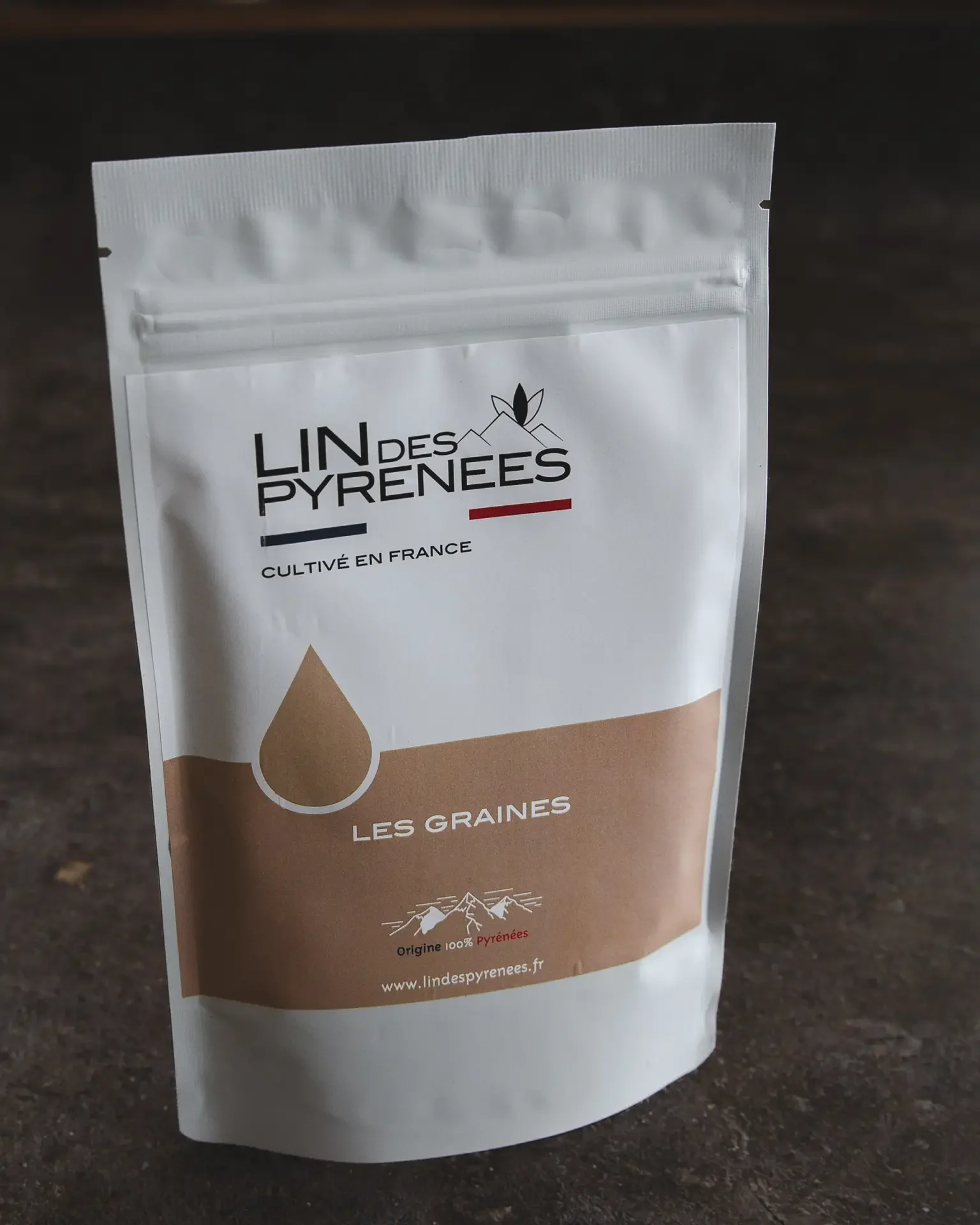
Flaxseeds are among the richest seeds there are in ALA omega-3 and fibre. But you still need to know how to use them in the kitchen: whole or ground, in what quantity, how to store them and where to buy them. This complete guide brings together all the practical know-how - illustrated with our flaxseeds grown in the heart of the Pyrenees, in a short, traceable supply chain from field to bag.
What is flaxseed?
Flaxseed is the seed of the oilseed flax plant (Linum usitatissimum), the same plant that gives our linseed oil. It is a small, flat, shiny seed, 4 to 6 millimetres long, a lovely mahogany brown. Beneath its modest appearance, it has a dense composition: rich in ALA omega-3 (alpha-linolenic acid), a source of fibre and of plant protein - around 20% of its weight.
It is this same seed that, when cold-pressed, gives our virgin linseed oil, and whose milled press cake becomes our flaxseed flour. To discover the plant and its terroir, explore our feature on flax.
Should flaxseeds be ground?
This is THE question everyone asks, and the answer lies in the nature of the seed. Its outer coat is firm and smooth: crunched as it is, the whole seed stays discreet in the mouth and releases little of its flavour. Ground or cracked, it takes on a new dimension: its nutty aroma comes through, its texture binds with other ingredients, and it can be added to anything - bread doughs, porridges, yoghurts, smoothies.
In practice:
- Whole: for crunch and decoration - on a loaf, a salad, a bowl;
- Ground: for flavour and binding - in a dough, a coating, a "flax egg";
- Cracked: the best of both worlds, ready to use - which is exactly what our kibbled flaxseed are.
How do you grind flaxseeds?
Nothing could be simpler, as long as you have the right technique:
- Coffee grinder or small blender: a few pulses are enough - there is no need for a perfect powder, a coarse grind already releases all the aroma;
- Manual seed mill: ideal for grinding as needed, straight onto the plate;
- Pestle and mortar: the gentle method, perfect for small quantities.
The important point is freshness: ground seed oxidises faster than whole seed, as its oils are exposed to the air. So grind as and when you need it, in small quantities, rather than in large batches. If you prefer convenience, our cracked seeds and our flaxseed flour offer a controlled grind, packaged according to best practice.
How many flaxseeds per day?
In cooking, the simple guideline is one to two tablespoons a day (about 10 to 25 g), sprinkled or mixed in as you like. It is a question of culinary balance: beyond that, their taste takes over and the texture becomes dense. As with any fibre-rich seed, it is best to start with small quantities and drink enough water during the day. Regularity - a simple habit every day - is better than large one-off quantities.
Brown or golden flaxseeds: what are the differences?
The two colours come from the same botanical species - only the variety changes. The real differences are minor and mainly concern taste and appearance: brown flax offers a more assertive, slightly rustic nutty flavour; golden flax is said to be milder and is visually more discreet in light-coloured dishes.
At Lin des Pyrénées, we grow brown flaxseeds, whose character suits every use - from rustic bread to the morning yoghurt, from granola to dessert. Our detailed comparison brown or golden covers the question thoroughly.
How should flaxseeds be stored?
The whole seed is well protected by its natural outer coat. To preserve all its freshness:
- Whole: in an airtight container, away from light and heat - they keep for several months without difficulty;
- Ground: in the fridge, in a closed jar, and eaten within one to two weeks;
- if in doubt, trust your nose: a sharp or rancid smell indicates seeds that need replacing.
This is why we pack our seeds in 250 g bags: a size that gets used up at a good pace, with no loss of freshness.
How can you use flaxseeds in cooking?
Flaxseeds are remarkably versatile. Our favourite uses:
- At breakfast: on a yoghurt, a porridge, a muesli or in a smoothie;
- In baking bread: in bread and bun doughs - as in our recipe for gluten-free flaxseed bread;
- With drinks: in homemade crackers or savoury cookies;
- In salads: for crunch, as in the lentil, tomato and cracked flaxseed salad;
- As a plant-based binder: ground and mixed with water, they replace egg in cakes ("flax egg": 1 tbsp + 3 tbsp water);
- In baking: cookies, muffins, cereal bars - our recipes are full of ideas from our chefs.
Seeds, cracked seeds, flour, oil: which to choose?
Each form of flax has its own playground in the kitchen:
- Whole seeds: crunch and decoration;
- Cracked seeds: flavour released, ready to sprinkle - the most versatile everyday format;
- Flour: baking, coatings and binding - see our guide to flaxseed flour;
- Virgin oil: for cold seasoning only - see our guide to linseed oil.
All four come from the same seed, grown and processed in the Béarn: this is the full use of a local supply chain, told in our article from field to plate.
Where can you buy quality flaxseeds?
Four criteria make the difference when buying: a clear origin (favour French-grown seeds, ideally local and traceable), a documented production method, a recent harvest or packaging date, and a size suited to how much you actually use.
Our organic brown flaxseeds are grown at the foot of the Pyrenees, sorted and packaged in the Béarn, with batch traceability from field to bag. You will find them in our online shop and in our discovery gift boxes, alongside the oil, flour and cracked seeds.
Frequently asked questions
Should flaxseeds be ground? For flavour and binding, yes: ground or cracked, they release their nutty aroma and bind with other ingredients. Whole, they stay crunchy and decorative.
How many flaxseeds per day? The culinary guideline: one to two tablespoons a day, starting gradually, and drinking plenty of water.
How should ground flaxseeds be stored? In the fridge, in an airtight container, and eaten within one to two weeks. Better still: grind them as needed.
Brown or golden seeds: which should you choose? The differences are minor and concern taste and appearance. Our brown seeds from the Béarn suit every use, from bread to dessert.
Can you replace an egg with flaxseeds? Yes: 1 tablespoon of ground seeds + 3 tablespoons of water, 10 minutes' rest, and the resulting gel binds a mixture just like an egg.
Sources: ANSES, omega-3 fatty acids (in French); the Ciqual food composition table (ANSES).
Recent articles
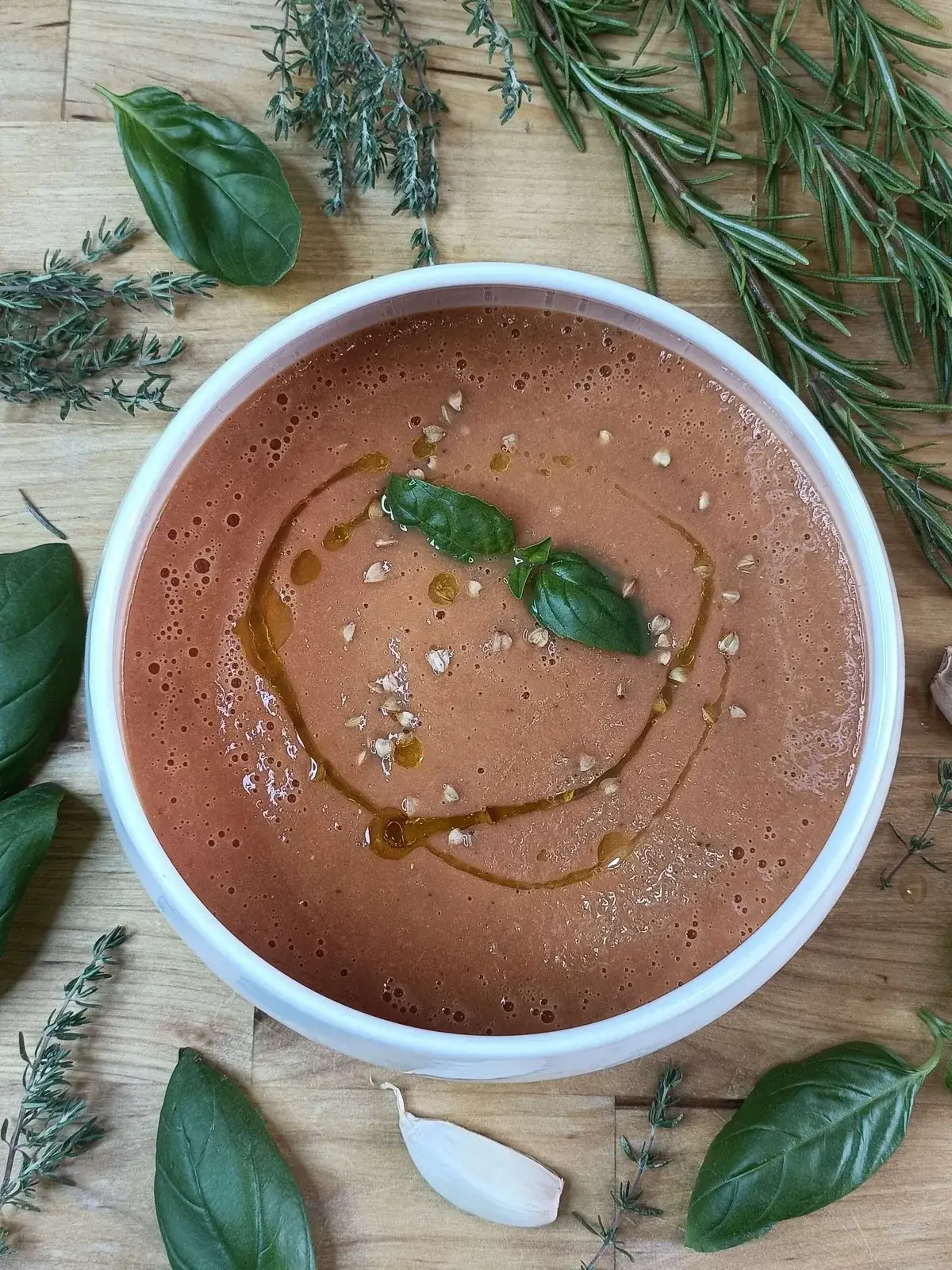
Chilled roasted tomato and garlic soup, with a drizzle of linseed oil
Florence Oustau's chilled soup: oven-roasted tomatoes and garlic, a night in the fridge, crunchy kasha and a drizzle of linseed oil just before serving.
1 min read
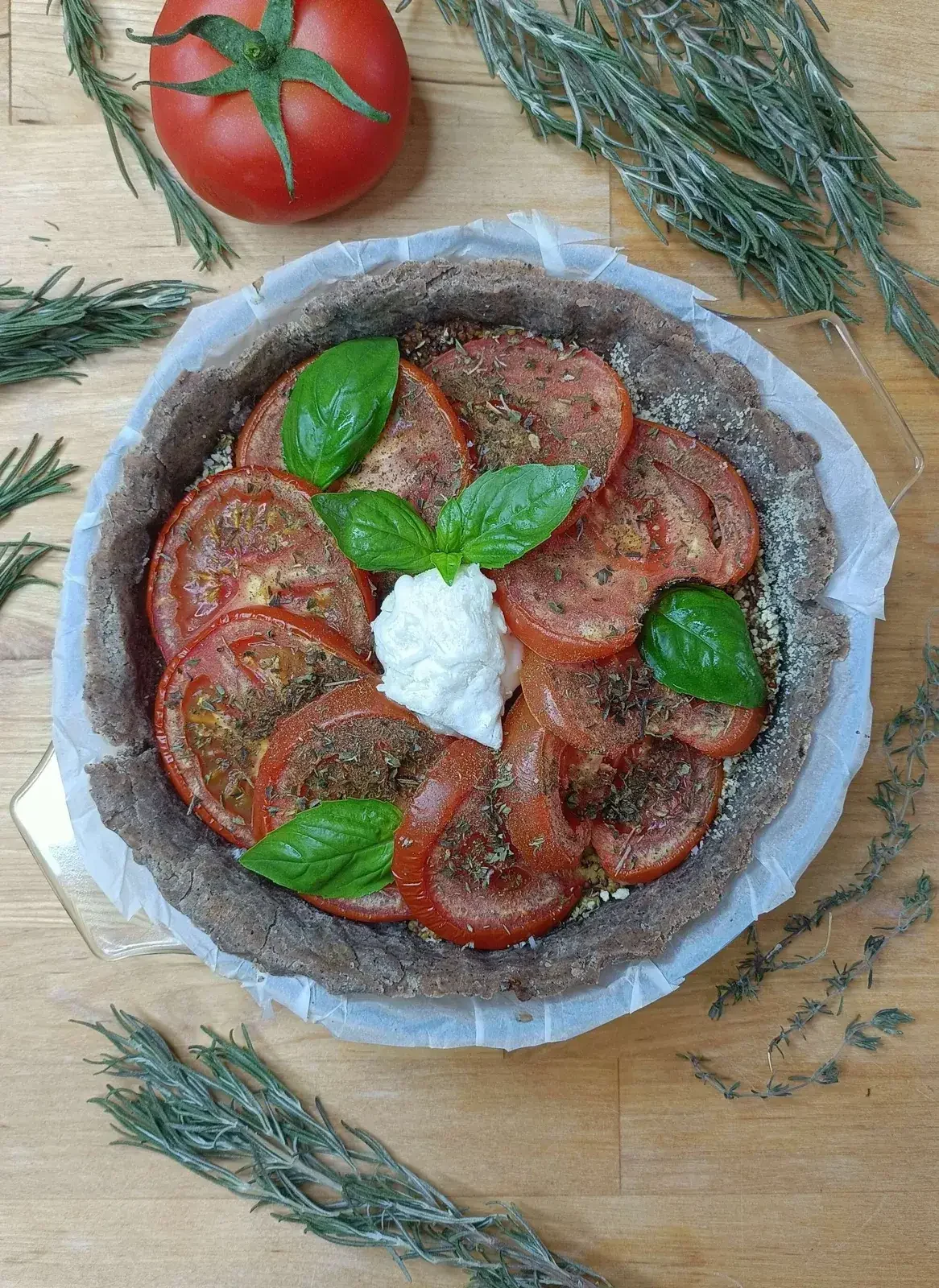
Tomato and goat's cheese tart, gluten-free pastry with flaxseeds
Florence Oustau's summer tomato and goat's cheese tart: a gluten-free shortcrust pastry bound with ground flaxseeds, a rosette of tomatoes and melted goat's cheese.
1 min read
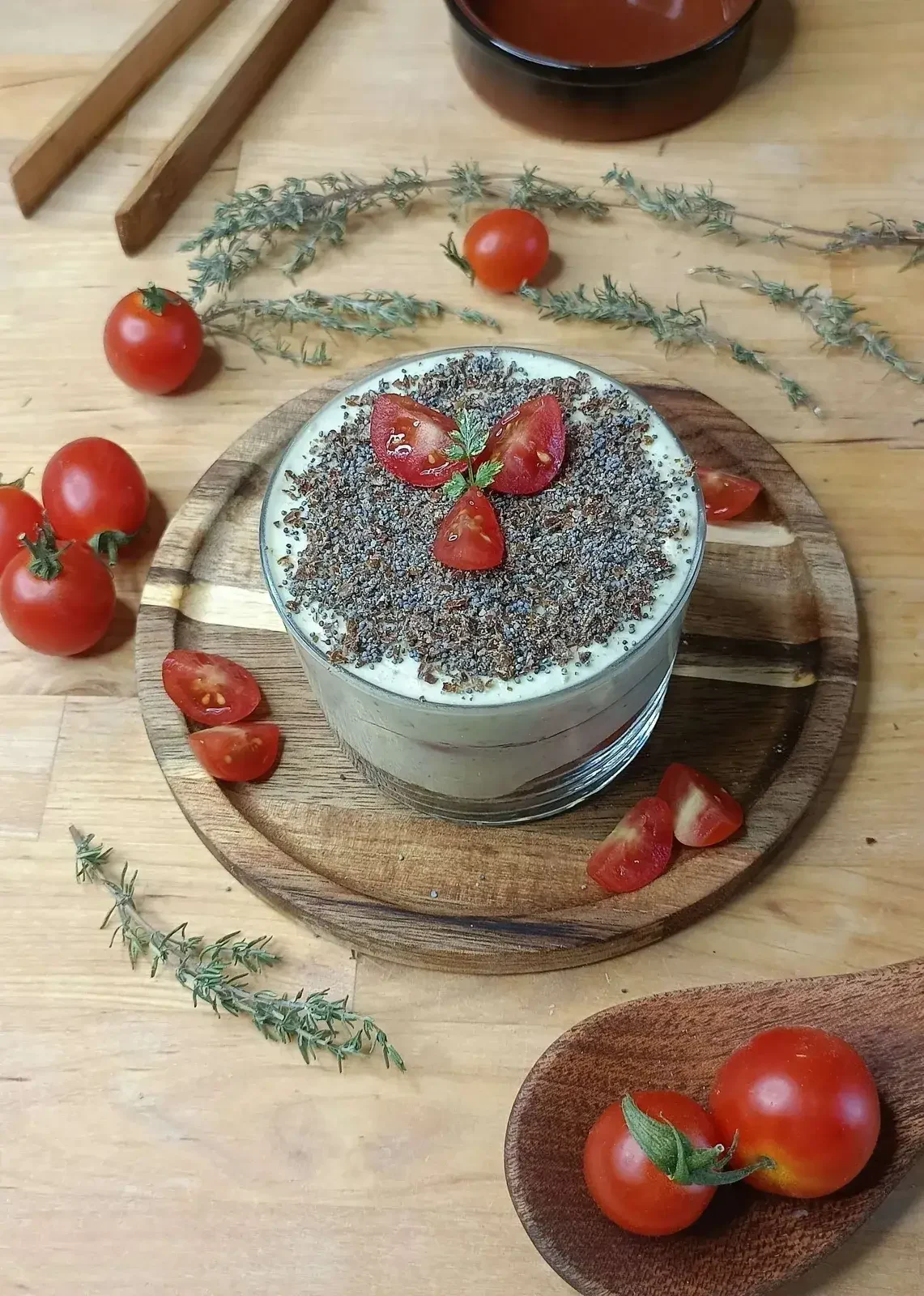
Savoury tomato, pesto and kibbled flaxseed tiramisù
Florence Oustau's savoury tiramisù: plant-based mascarpone, pesto, tomato and the crunch of kibbled flaxseed. A chic and fresh aperitif verrine.
2 min read